Gas flare

Field notes

Perspectives on drones, emissions, integrity and energy from the SeatMan team.

[Note 01]Field notes

Drones in flare gas monitoring

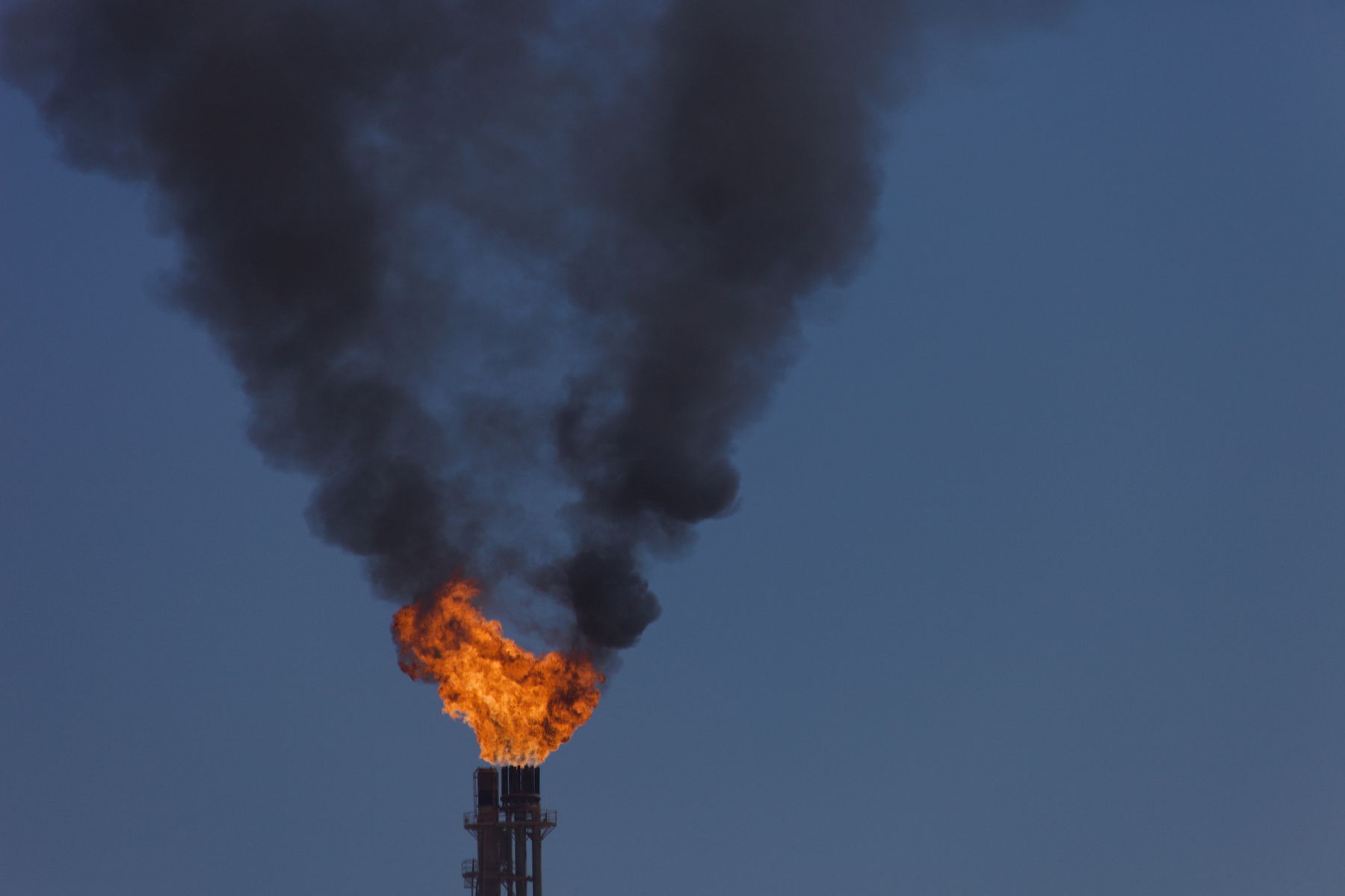
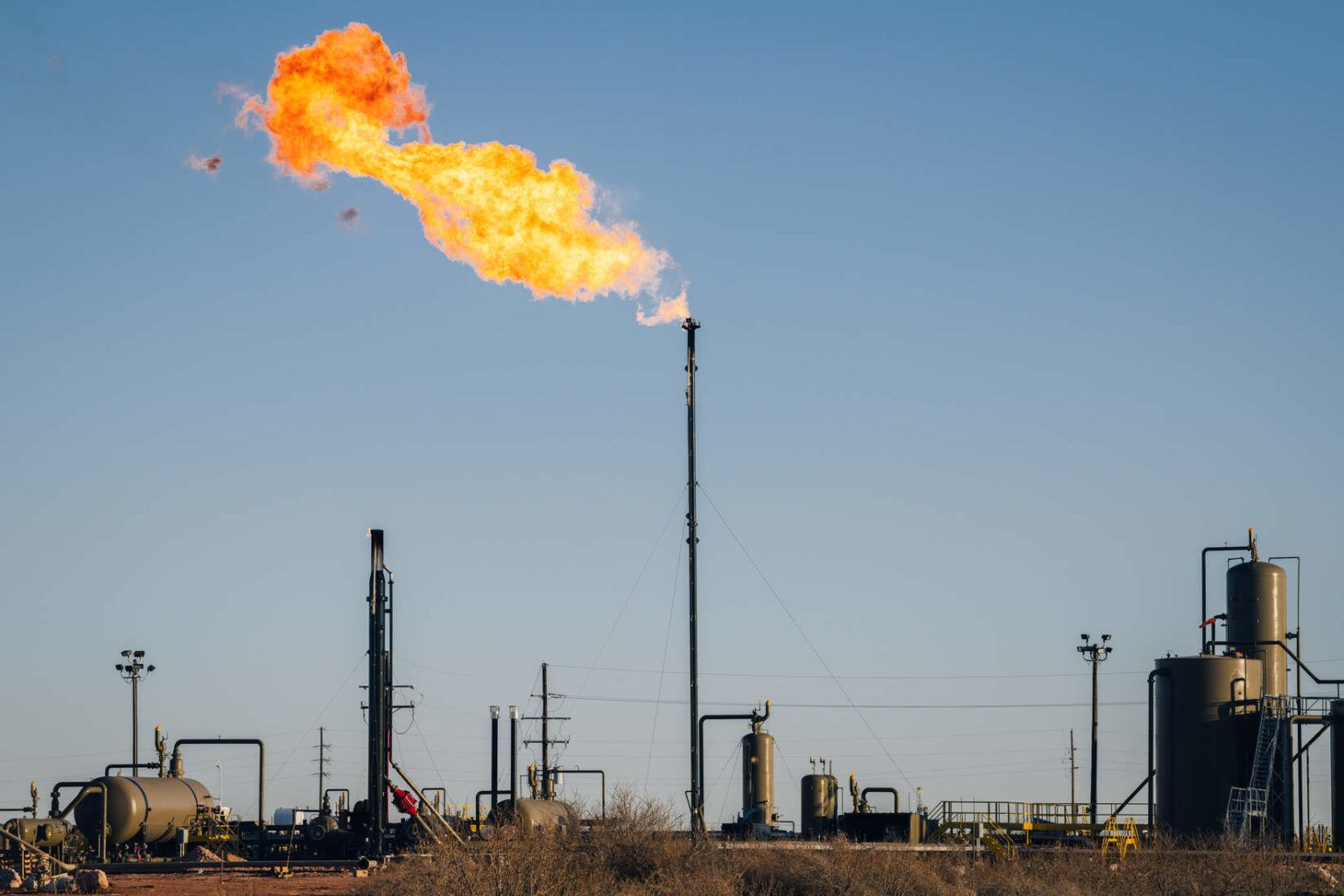
Flaring is one of the most visible — and most scrutinised — parts of oil and gas production. Regulators, investors and host communities want to know how much gas is burned, how efficiently, and what escapes unburned. Drones make those questions easier to answer.

Why UAVs suit flare monitoring

  • They reach the flare tip without scaffolding, rope access or a shutdown.
  • Thermal and optical gas-imaging sensors show combustion quality and plume behaviour.
  • Repeat flights on the same path build a reliable record over time.

From images to decisions

Flight data feeds inspection reports and emissions records, helping operators spot poor combustion, plan flare-tip maintenance and support their reporting with evidence. When the data shows a steady volume of flared gas, it also opens the conversation about turning that gas into power on site.

Back to top

[Note 02]Field notes

The future of remote inspections

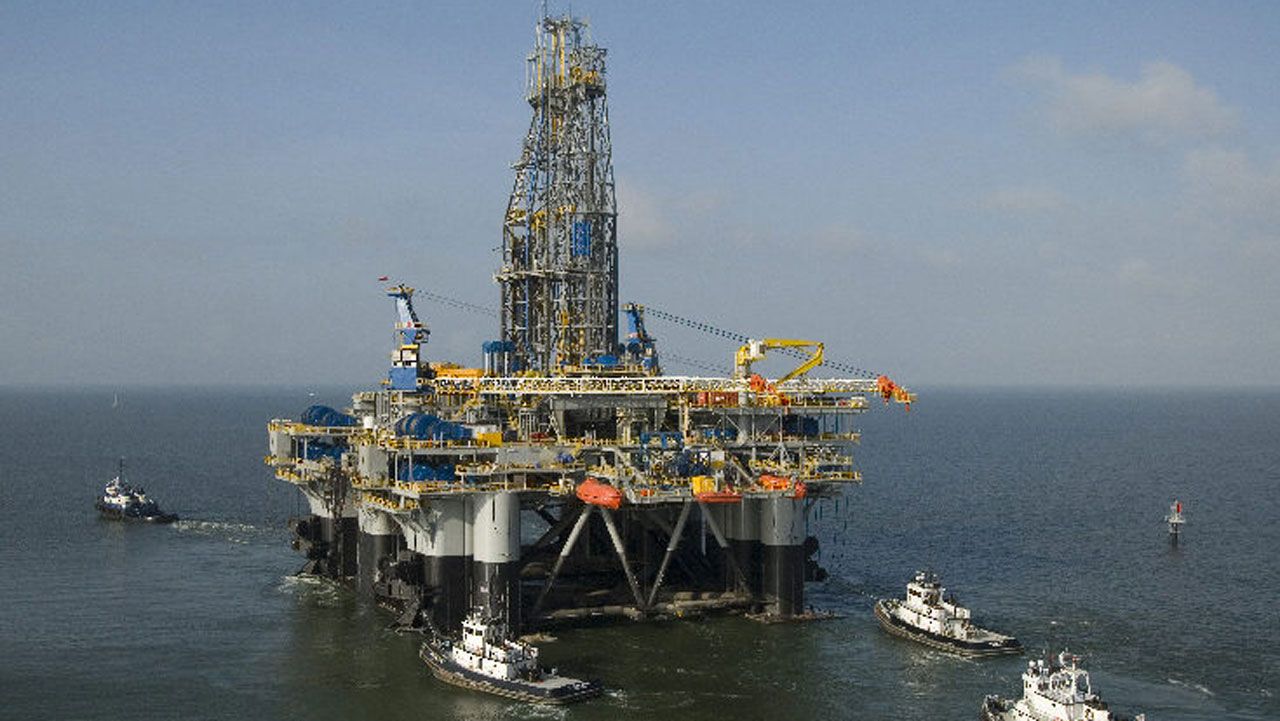
Traditional inspection of tall, hot or offshore structures puts people in hazardous positions and often means stopping production. Remote inspection changes both the risk and the economics.

What changes with drones

  • Less downtime — many external inspections can be done while the asset is live.
  • Better safety — fewer people working at height or over water.
  • Richer data — high-resolution, thermal and 3D models comparable across campaigns.

Where it is heading

Inspection is moving from periodic manual checks to planned, repeatable data capture with analytics on top — and teams that pair experienced pilots with sound engineering judgement will benefit most.

Back to top

[Note 03]Field notes

UAVs and ESG compliance

Environmental, social and governance (ESG) commitments are only as credible as the data behind them. Aerial monitoring gives operators a practical way to measure what is happening across large, remote assets.

How aerial data supports ESG

  • Leak detection and repair programmes using optical gas imaging.
  • Flare performance records that support emissions reporting.
  • Right-of-way, erosion and vegetation surveys that show environmental impact over time.

Turning reporting into action

The real value comes when monitoring leads to change — fixing leaks faster, reducing routine flaring and putting stranded gas to productive use.

Back to top

Have a question about your assets?

Our team is happy to talk through inspection, monitoring, subsea and gas-to-power options.